Nutrition Productivity Tips: 12 Ways to Eat for Better Energy and Focus
If you’ve ever struggled to concentrate after a heavy lunch or found yourself reaching for coffee and sugary snacks halfway through the afternoon, you’ve probably experienced the connection between nutrition and productivity firsthand.
What you eat won’t magically turn an unproductive day into a productive one. But your eating habits can definitely affect your energy, concentration, hunger, and how you feel throughout the workday.
The challenge is that eating well can itself feel like another task on an already overflowing to-do list.
That’s why the best nutrition productivity tips aren’t about following a complicated diet or preparing every meal from scratch. They’re about developing simple eating habits that support your energy and focus without taking over your day.
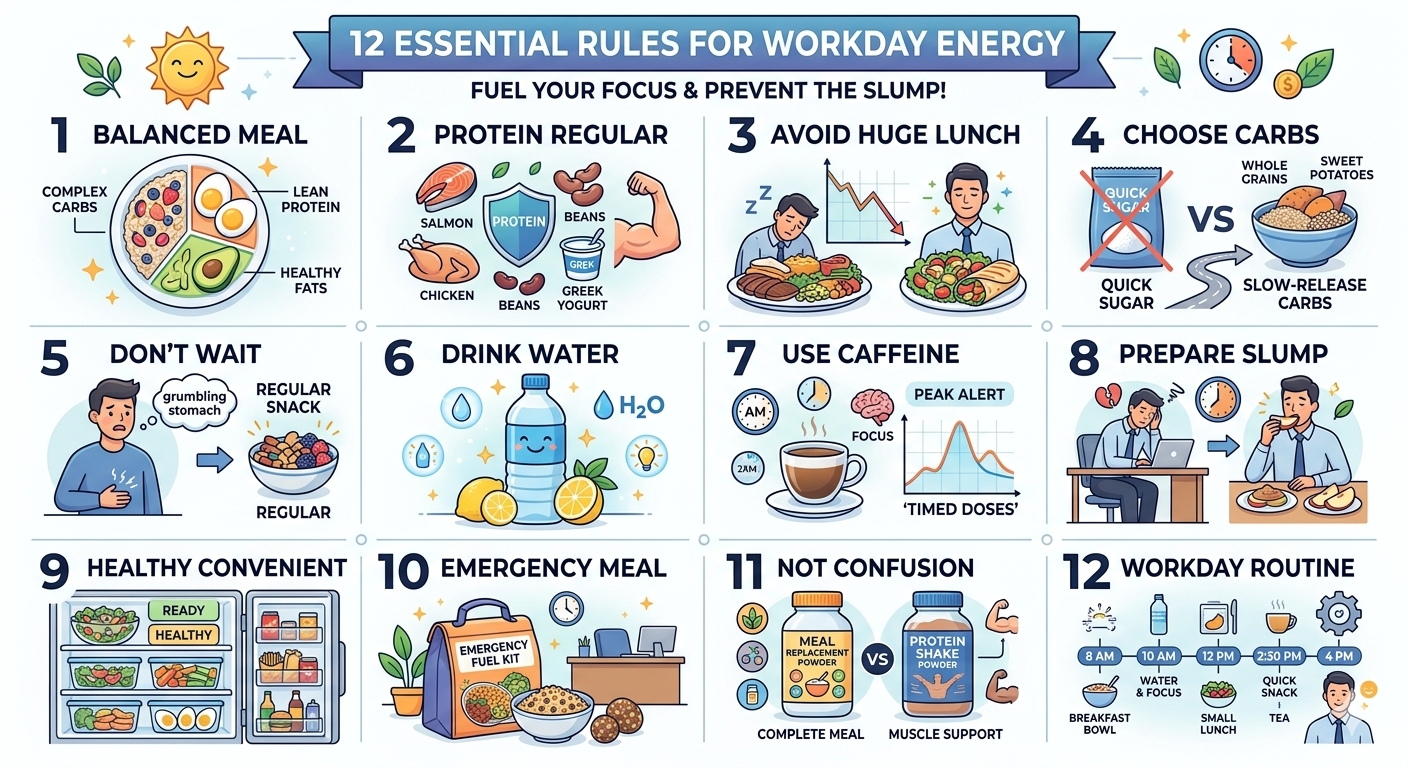
Here are 12 practical ways to get started.
1. Start Your Day With a Balanced Meal
A busy morning makes it tempting to grab a coffee and start working.
But if skipping breakfast leaves you hungry, distracted, or reaching for snacks later, consider starting your day with a more substantial meal.
Try combining a source of protein with fiber-rich carbohydrates and healthy fats while avoiding foods high in refined sugar.
Some simple options include:
Greek yogurt with berries, oats, and nuts
Eggs with whole-grain toast and fruit
Oatmeal with nut or seed butter and berries
A balanced smoothie with protein, fruit, and other nutritious ingredients
Whole-grain toast with avocado and eggs
You don’t need an elaborate breakfast. The goal is simply to find something that works with your schedule and keeps you satisfied.
2. Make Protein a Regular Part of Your Meals
Protein isn’t just important for building muscle. It’s also a useful part of meals that keep you satisfied.
When meals don’t leave you feeling full, hunger can become another distraction competing for your attention.
Pay attention to how different lunches affect your afternoon energy.
The goal isn’t to eat as little as possible. It’s to eat enough to feel satisfied without feeling uncomfortably full.
4. Choose Carbohydrates That Provide More Than Just Quick Energy
Carbohydrates sometimes get unfairly blamed for energy problems.
You don’t need to eliminate them.
Instead, emphasize nutrient-rich carbohydrate sources such as:
Oats
Beans
Lentils
Potatoes
Fruit
Vegetables
Brown rice
Quinoa
Whole grains
These foods provide carbohydrates along with varying amounts of fiber, vitamins, minerals, and other nutrients.
Highly processed foods such as candy, pastries, and sugary drinks can still fit into an overall balanced diet, but relying on them to power you through your workday will likely not leave you feeling your best. Think of them more as occasional treats than a solution to your hunger.
5. Definitely Don’t Wait Until You are Starving
One of the simplest nutrition productivity tips is to avoid letting yourself become excessively hungry during a busy day.
It’s easy to ignore hunger when you’re focused on a project.
Then suddenly it’s 2:30 p.m., you’re starving, and the cookies in the break room become extremely difficult to ignore. Not only are they convenient, you are also more likely to eat too many of them.
If this happens regularly, plan ahead.
Keep easy snacks available, such as:
Fruit
Greek yogurt
Nuts
Vegetables with hummus
Whole-grain crackers with cheese
Apple slices with peanut butter
You may not need a snack every day. But having a nutritious option available makes it easier to respond to genuine hunger.
6. Be Sure to Drink Enough Water
When you’re moving between meetings and concentrating on work, it’s surprisingly easy to go several hours without drinking anything.
Keeping a reusable water bottle on your desk is a simple solution.
You can also get fluids from foods and beverages such as:
Fruit
Vegetables
Soup
Milk
Tea
Rather than obsessing over a particular number of glasses every day, make drinking water convenient and pay attention to thirst.
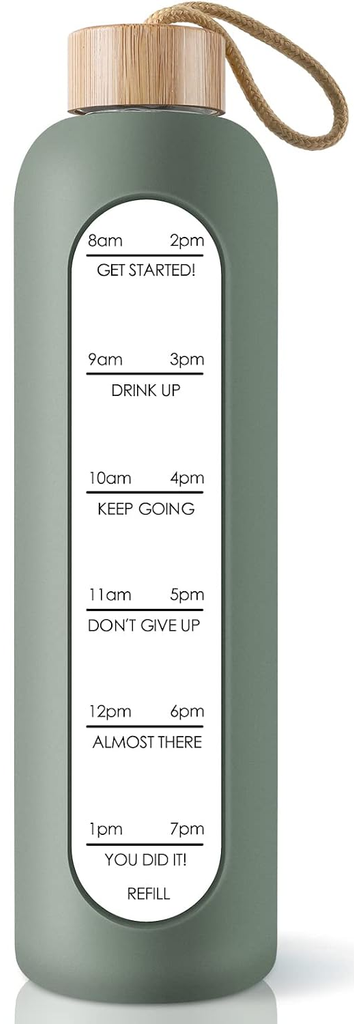
I personally use this water bottle from Amazon. It is helps me track how much I drink and ensures I hit my daily target of fluid intake keeping me hydrated throughout the day
7. Use Caffeine Strategically
Coffee can absolutely have a place in a productive workday.
Caffeine can temporarily increase alertness and attention, which explains why coffee has become such a familiar part of the working world.
But more isn’t necessarily better.
Too much caffeine can leave you feeling jittery and may interfere with sleep, particularly when consumed later in the day.
And poor sleep can make tomorrow’s productivity even harder.
If you drink coffee throughout the day, experiment with having your last caffeinated drink earlier and see whether your sleep improves. Aim to finish caffein consumption by 3:00 or earlier.
8. Prepare for the Afternoon Slump
For many people, the hardest part of the workday arrives somewhere between lunch and dinner.
Energy falls.
Concentration becomes difficult.
And the snack cupboard starts looking increasingly attractive.
Instead of relying automatically on sugar or another coffee, prepare for this period.
Try:
Drinking some water
Taking a short movement break
Eating a protein- and fiber-containing snack if you’re hungry
Stepping outside briefly
Switching tasks for a few minutes
Schedule easier tasks for the afternoon
Nutrition is only one part of maintaining productivity. Sleep, movement, stress, breaks, and your working environment matter too.
9. Make Healthy Food the Convenient Option
This may be the most important tip in this entire article.
Your environment influences your choices.
Imagine you’re hungry between meetings.
Option A requires washing vegetables, chopping them, finding a container, and preparing a dip.
Option B requires opening a package of cookies.
Which are you more likely to choose when you’re busy?
You can change that equation.
Prepare healthy foods so they’re just as easy to grab.
For example:
Wash fruit ahead of time.
Cut vegetables and store them in containers.
Keep individual yogurts available.
Portion nuts into small containers.
Prepare hard-boiled eggs.
Keep healthy frozen meals available.
Good nutrition becomes much easier when the healthy choice is also the easy choice.
10. Keep an Emergency Meal Available
Some days simply don’t go according to plan.
A meeting runs long.
An urgent problem appears.
You forget your lunch.
Suddenly, you have ten minutes before your next meeting.
Having an emergency meal can prevent you from having to choose between skipping lunch and grabbing whatever food is closest.
This is one situation where I think meal replacements can be particularly useful.
A nutritious whole-food meal would generally be my first choice when I have the time. But the realistic comparison on a hectic day isn’t always meal replacement versus perfectly balanced homemade lunch.
Sometimes it’s meal replacement versus skipping lunch or grabbing fast food between meetings.
In that situation, convenience becomes a real nutritional advantage.
11. Don’t Confuse a Meal Replacement With a Protein Shake
If you’re going to use a shake as your emergency meal, make sure it’s actually intended to replace a meal.
A protein shake may primarily provide protein.
A balanced meal replacement should generally provide a broader nutritional profile, including some combination of:
Protein
Carbohydrates
Fats
Fiber
Vitamins and minerals
Read the nutrition label rather than relying on marketing claims.
A meal replacement doesn’t need to become the foundation of your diet. Think of it as another tool available when convenience matters.
12. Create a Simple Workday Food Routine
Productivity often improves when you eliminate unnecessary decisions.
Nutrition can work the same way.
Instead of asking yourself what to eat several times every day, create a basic routine.
For example:
Breakfast: Choose from two or three regular breakfasts.
Lunch: Rotate between leftovers, a grain bowl, a wrap, and a salad.
Afternoon: Keep two nutritious snack options available.
Emergency meal: Keep one convenient backup at work or home.
Dinner: Follow your normal family meal plan.
You still have flexibility, but you’ve dramatically reduced the number of food decisions you need to make.
That’s one reason meal planning can be so useful for busy people.
Nutrition Productivity Tips for Working From Home
Working from home presents its own nutritional challenges.
Your entire kitchen is only a few steps away.
It’s easy to snack every time you need a break, procrastinate, or encounter a difficult problem.
Try creating some structure around your meals.
Instead of eating continuously at your desk, have a normal breakfast and lunch schedule when practical.
Keep snacks available, but pause before eating and ask yourself:
Am I actually hungry, or do I just want a break from work?
If you need a break, take one.
Stand up, stretch, walk outside, refill your water, or simply step away from the screen for a few minutes.
Not every urge to visit the kitchen needs to end with food.
Nutrition Productivity Tips for the Office
Office environments create different challenges.
There may be vending machines, catered lunches, birthday cake, or coworkers regularly ordering takeout.
The solution doesn’t have to be avoiding those foods completely.
Instead, make sure you have good options available when you need them.
Pack a balanced lunch and keep a few shelf-stable snacks at your desk.
You can still enjoy the occasional office treat without depending on whatever happens to be available for your everyday nutrition.
A Sample Eating Plan for a Busy Workday
Here’s an example of what a simple workday might look like.
Breakfast
Greek yogurt, berries, oats, and walnuts
Lunch
Quinoa bowl with chickpeas, vegetables, avocado, and dressing
Afternoon Snack
Apple with peanut butter
Emergency Alternative
A balanced meal replacement shake when there isn’t time for your planned meal
Dinner
Tofu or another protein source with vegetables and brown rice
This isn’t a diet you need to follow.
It’s simply an example of how protein, fiber-rich foods, healthy fats, and convenient options can fit into a busy day.
Food Isn’t the Only Factor Affecting Productivity
It’s important to keep nutrition in perspective.
If you’re exhausted every afternoon, changing your lunch may help—but your lunch might not be the underlying problem.
Productivity and energy are also affected by:
Sleep
Physical activity
Stress
Workload
Breaks
Your working environment
Certain medications and health conditions
Nutrition supports productivity; it doesn’t replace these other factors.
Persistent or unexplained fatigue is worth discussing with a qualified healthcare professional rather than assuming you simply need to change your diet.
The Bottom Line on Nutrition and Productivity
The best nutrition productivity tips aren’t complicated.
Eat meals that actually satisfy you. Include protein regularly. Choose plenty of fiber-rich whole foods. Stay hydrated. Keep nutritious snacks available. Avoid highly refined foods high in sugar. Be thoughtful about caffeine. And prepare for those inevitable days when your schedule falls apart.
Most importantly, make healthy eating convenient.
You don’t need to prepare every meal from scratch to eat well.
Sometimes a carefully prepared homemade meal is the right choice. Sometimes leftovers are perfect. And sometimes a nutritious meal replacement is the practical solution that allows you to eat something balanced when you otherwise wouldn’t have time.
The goal isn’t nutritional perfection.
It’s building a way of eating that supports your health, energy, and productivity while still fitting into your actual life.
And when healthy choices become easier to make, you’re much more likely to make them consistently.